
Infant Formula Recall
The Infant Formula Recall: Why a Problem in the Supply Chain Becomes a Problem in Our Kitchens
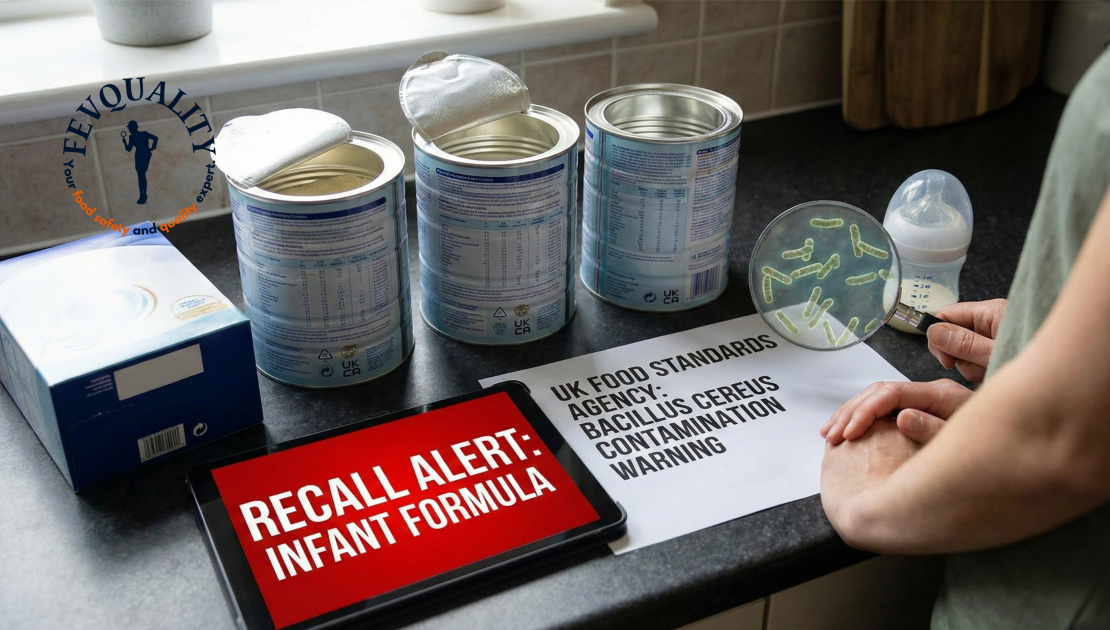
There is no product on the shelf that commands more trust than infant formula. For parents, it’s a foundation of life. So when globally recognised names like Nestlé, Danone, and Lactalis begin recalling products, it’s not just a headline—it’s a cause for genuine alarm. The recent wave of recalls is not about a mistake on the factory floor. The real issue is far more subtle and buried deep within the global supply chain: a stubborn, heat-resistant toxin called cereulide, produced by the common bacterium Bacillus cereus.
This is more than just a food safety incident; it’s a critical lesson in the fragility of our supply networks and highlights why knowing exactly what your suppliers are doing is non-negotiable.
Getting to Know the Enemy: Bacillus cereus and Its Toxin
acillus cereus isn’t some superbug cooked up in a lab. It’s absolutely everywhere—in the soil, in dust, on raw vegetables. Most of the time, it’s harmless. The real trouble starts when it produces toxins. In this case, the toxin is cereulide, and it is notoriously tough.
What makes cereulide such a menace, especially in infant formula?
-
It Laughs at Heat: Standard food safety processes like pasteurisation and drying are often enough to kill bacteria, but the cereulide toxin can sail through them completely unharmed.
-
It Works Fast: Sickness can start in as little as 30 minutes after ingestion, causing vomiting and nausea. For a small baby, this can rapidly become dangerous.
-
The Contamination Came from Outside: The toxin wasn’t created in the formula itself. It was traced back to a single raw ingredient, arachidonic acid (ARA) oil, from one specific supplier. The contamination was already sealed inside the ingredient before it even reached the big brands.
A Chain is Only as Strong as Its Weakest Link
This whole situation is a powerful, real-world example of that old saying. A food safety certificate hanging on a reception wall means very little if you’re not actively verifying what’s happening further up the chain. The fact that a specialised ingredient like ARA oil was the source of the problem shows that risk can pop up where you least expect it.
Food safety experts are already calling this a “systematic failure in supply chain… procedures and monitoring,” leading to urgent calls for the industry to tighten its checks. The manufacturers were put on the back foot, forced to pull products from shelves because of a hazard they had unknowingly purchased from a supplier. It proves that the old model of “trusting” your suppliers needs an upgrade to “trust, but rigorously verify.”
How Do We Build Stronger Defences?
Protecting the most vulnerable consumers isn’t just about ticking boxes for an audit; it’s about a fundamental commitment to safety. If you’re in the food industry, now is the time to take a hard look at your own supply chain management. Are you truly in control?
-
Go Beyond the Paperwork: Supplier audits need to be more than a checklist. They should be deep dives into the practices and culture of your critical suppliers.
-
Test Your Ingredients, No Excuses: Don’t just rely on the certificate of analysis that comes with a delivery. A robust schedule for testing high-risk raw materials is essential. Reports indicate the initial tests on the ARA oil were fine; it was only further testing that revealed the toxin.
-
Make Traceability Instant: When something goes wrong, you need to be able to trace a finished product back to the exact batch of a raw material from a specific supplier in minutes, not days.
The brand name on the box carries the ultimate responsibility, no matter where in the long chain of supply the problem began.
Take Control of Your Supply Chain
The safety of your final product is decided long before ingredients reach your factory. It relies on constant vigilance, deep expertise, and a proactive approach to supplier management.
-
For organisations in the United Kingdom looking to bulletproof their supply chain with thorough, expert-led supplier audits, get in touch with us at Fevquality.co.uk. Let’s ensure your defences are truly secure.
-
For companies in Turkey focused on upskilling their teams in food safety and navigating the complexities of contract manufacturing, discover the specialist training programs at Fevkalite.net.
“The only thing we need to create a successful team is to work together.”
Author: Akakan Akay
References